Digital Signage Reseller and QSR Digital Signage: A Partner's Guide to the Quick-Service Opportunity
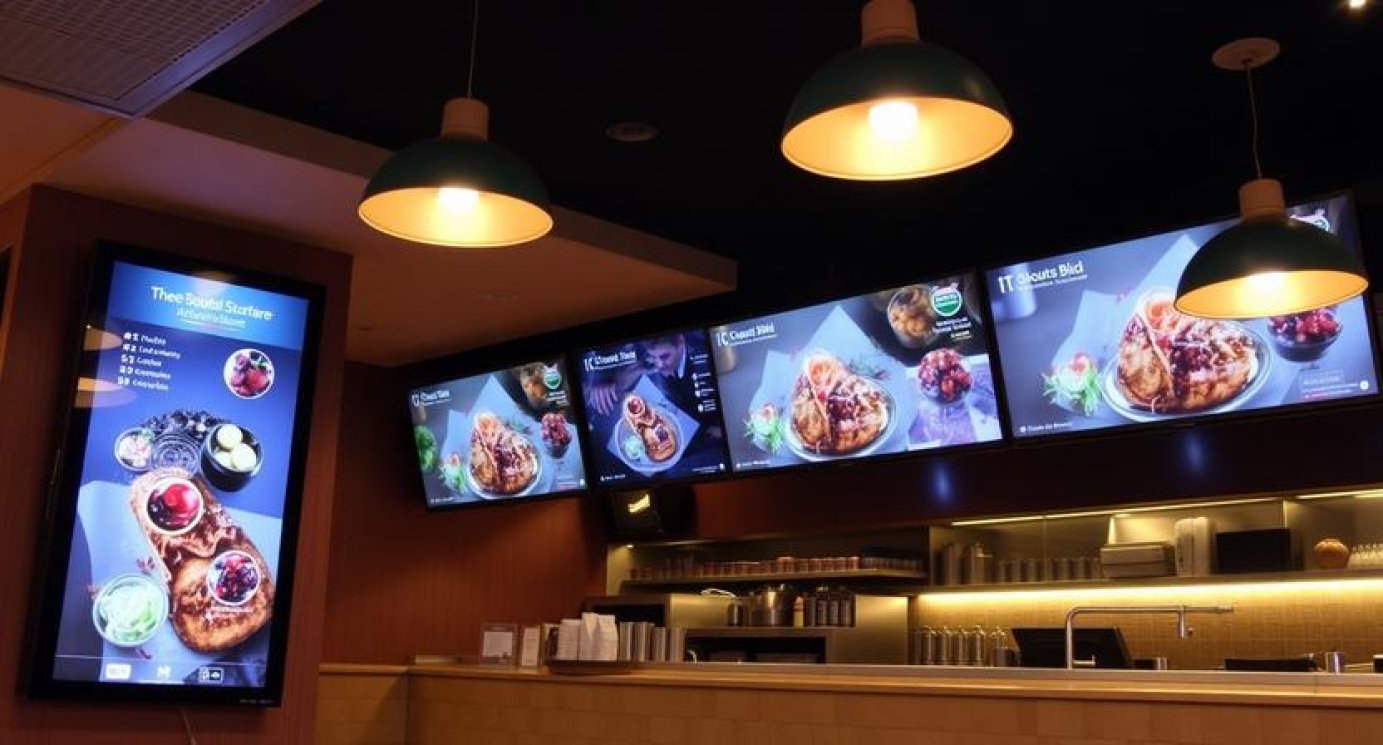
The fast-food restaurant business is fast-paced, predictable in many ways, and profit-driven. Few technologies bring these three elements together as effectively as QSR digital signage. For digital signage resellers, this sector offers opportunities for repeat business and recurring revenue. Understanding what QSR operators really need, how they make purchasing decisions, and the additional value resellers can provide can make the difference between a one-time sale and a long-term relationship. This guide explores the opportunities for resellers looking to build or expand a QSR-focused business.
Why QSR Digital Signage Is a Reseller Goldmine
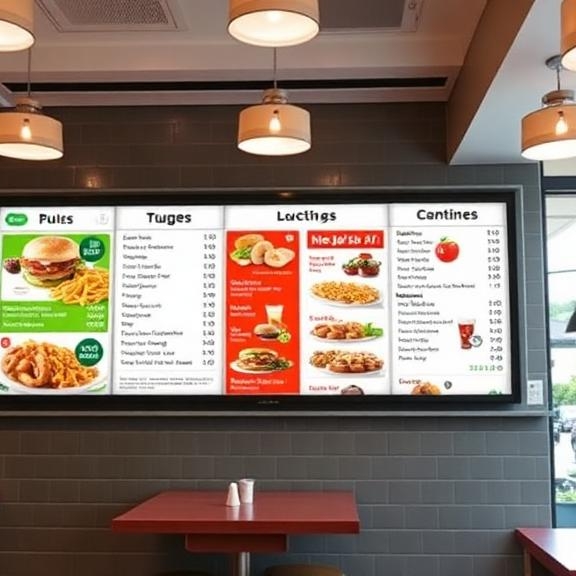
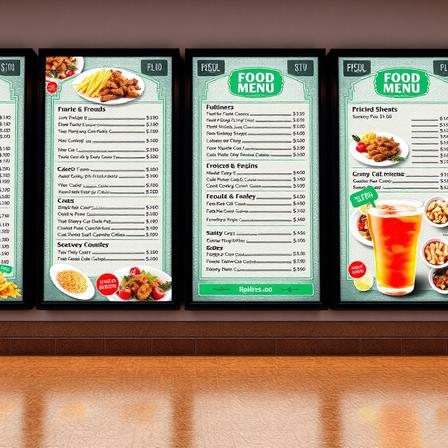
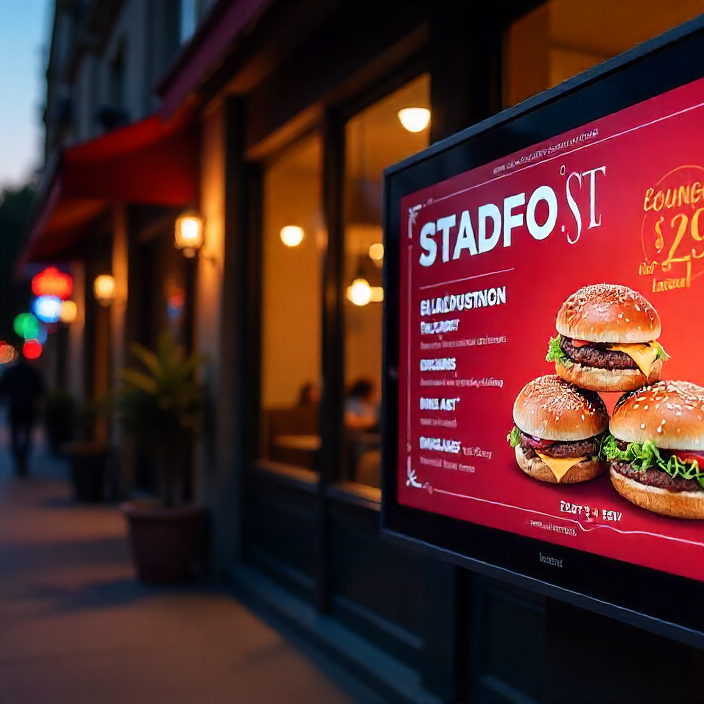
Quick-service restaurants operate with low margins and high transaction volumes, making every operational improvement and additional sale valuable. Digital signage sits at the intersection of these two priorities. An automatically changing menu board that switches from breakfast to lunch pricing, or highlights a high-margin combo during a slow afternoon, can help improve efficiency and generate additional sales.
For digital signage resellers, this translates into an attractive market with strong business potential. QSR chains rarely purchase just one screen. They make purchases across different locations, expand their operations, and eventually replace or upgrade equipment. Every deployment creates opportunities for hardware sales, software licensing, installation services, content management, and support. A reseller who demonstrates value in one store may become a trusted partner for an entire franchise group.
Why the QSR Sector Is Unique
Not all digital signage deployments are the same, and QSR environments have specific requirements that resellers need to understand before ordering a single display. Heat, grease, and humidity are persistent challenges, which means commercial-grade hardware is particularly important. A consumer television that performs well in a clothing store may fail prematurely in a busy fast-food kitchen.
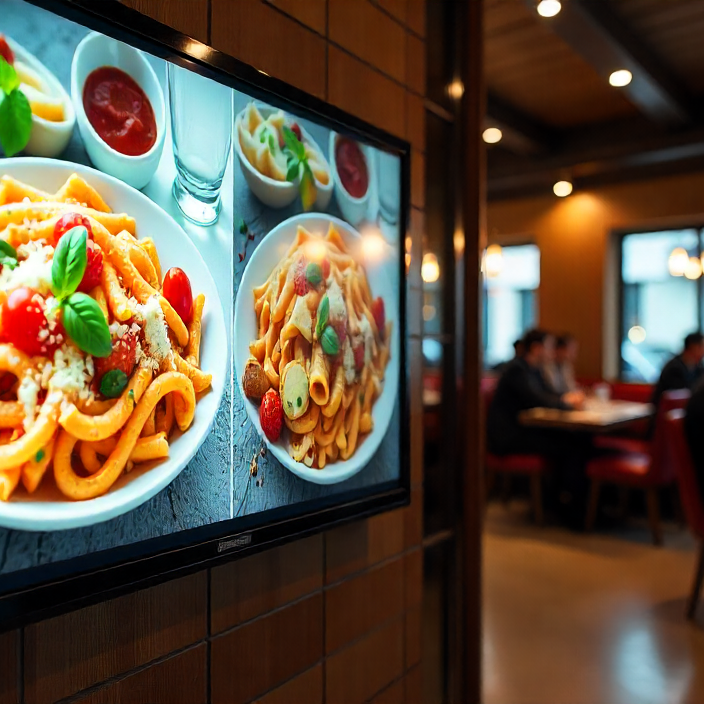
At-a-glance readability is also essential in QSR digital signage. Customers standing in a queue have only a few seconds to absorb menu information, not several minutes. The content should be readable from a distance, with large fonts, strong contrast, and images that communicate quickly. Resellers who can advise on layout, screen size, and viewing angles, rather than simply selling equipment, can easily distinguish themselves from competitors.
Lastly, QSR operators place a high value on uptime. A blank menu screen during the lunch rush can quickly become a revenue problem. Concerns about interruptions are one reason some operators hesitate to invest in digital systems. Resellers who incorporate redundancy, remote monitoring, and quick replacement options into their solutions can help address these concerns.
Hardware Options Resellers Should Get Right
Display hardware is the foundation of any QSR implementation, and resellers who make good decisions here establish credibility that can carry through the entire customer relationship. Commercial-grade panels designed for extended daily operation are generally the preferred choice. Brightness is especially important, as displays must remain readable in areas with strong ambient light and glare reflected from shiny countertops.
The same attention should be given to media players. Dedicated commercial media players are generally more reliable, remotely manageable, and secure than consumer streaming devices. For QSR clients operating across multiple locations, centralized player management is a fundamental requirement. Resellers who provide this capability can establish themselves as strategic technology partners rather than simply equipment suppliers.
QSR Chain Software and Content Management
Software often determines whether a QSR digital signage deployment succeeds or fails. Resellers who understand this part of the system also open the door to recurring revenue. Restaurant chains need menu management software that connects pricing, availability, and promotions across their screens. If a signature item sells out at one location, the system should be able to update that store's menu automatically rather than requiring a manager to make changes manually.
Another critical capability is dayparting. Automatically switching menus between breakfast, lunch, and dinner removes the time and effort spent making manual changes while ensuring consistency across shifts. Resellers who demonstrate dayparting through a live example can make a stronger impression on potential customers, as operators can immediately see how it would simplify their daily work.
Scheduling and centralized control complete the software requirements. Franchise groups need head-office control over brand standards while allowing limited flexibility at the local level for pricing or limited-time offers. A platform with role-based permissions and approval processes addresses an important management challenge that multi-location operators regularly face.
Selling to Franchise Groups and Independent Operators
The QSR sector has two main types of buyers, and a digital signage reseller should approach each differently. Independent operators respond to immediate, practical advantages such as faster service, lower printing costs, fewer menu errors, and the ability to change prices without reprinting menus. They often make decisions relatively quickly, work with smaller budgets, and value responsive customer service.
Franchise groups and multi-location operators take a more systematic approach. They ask about standardization, rollout schedules across dozens of outlets, training for store managers, and service-level agreements. Their sales cycles are generally longer, but deal sizes and renewal opportunities can be much greater.
Resellers who develop a repeatable process for multi-location deployments, including standardized hardware kits, installation checklists, and remote onboarding, are better positioned to win these larger accounts.
Maintenance and Support as Recurring Revenue
A reseller who disappears after installation leaves valuable business opportunities behind. QSR operators need ongoing assistance and are often willing to pay for reliable support rather than deal with unexpected problems during a busy Friday dinner rush. Remote monitoring services that identify offline media players or failed displays before store employees notice them can turn support into a proactive, billable service.
Structured maintenance contracts, spare-parts inventory recommendations, and annual hardware inspections create predictable recurring revenue and strengthen customer relationships. Support is not simply an additional service. In a sector where uptime is essential, it can become one of the most valuable parts of the offering.
How to Grow Your Reseller Business
Digital signage resellers who want to establish themselves in the QSR sector should consider offering industry-specific packages rather than individual components. Bundling commercial displays, media players, restaurant-focused software, installation, and a support plan simplifies the purchasing decision and can increase the average deal value.
Working with software vendors who have experience in restaurant menu management can also add credibility and reduce integration risks that might otherwise prevent a sale. Building a small base of satisfied QSR customers and documenting measurable results, such as lower printing expenses or increased combo sales, gives potential clients evidence of the benefits they can expect.
The Future of QSR Digital Signage
Fast-food restaurants continue to digitalize their customer-facing operations, with rising labor costs and increasing menu complexity adding to the need for efficient systems. For digital signage resellers, the opportunity is not simply about selling screens. It is about becoming the technology partner who ensures that menus remain accurate, promotions are visible, and operations run efficiently.
Resellers who understand the specific demands of the QSR sector, including durable hardware, content that can be understood at a glance, centralized software, and dependable support, will be well-positioned to build customer loyalty and secure recurring business in this growing market