Unlocking Business Potential: Your Guide to Digital Signage Solutions & Software
Introduction: The Power of Dynamic Communication
In today's fast-paced, visually-driven business environment, static communication methods simply can't compete. Digital signage solutions have emerged as the definitive answer to modern communication challenges, transforming how businesses connect with audiences. Whether you're guiding customers through a retail space, updating employees in corporate offices, or promoting specials in restaurants, digital signage provides the dynamic canvas needed for meaningful engagement. At the core of every successful implementation lies powerful digital signage software – the intelligent engine that turns ordinary screens into strategic communication assets.
Understanding Digital Signage Solutions: Beyond Just Screens
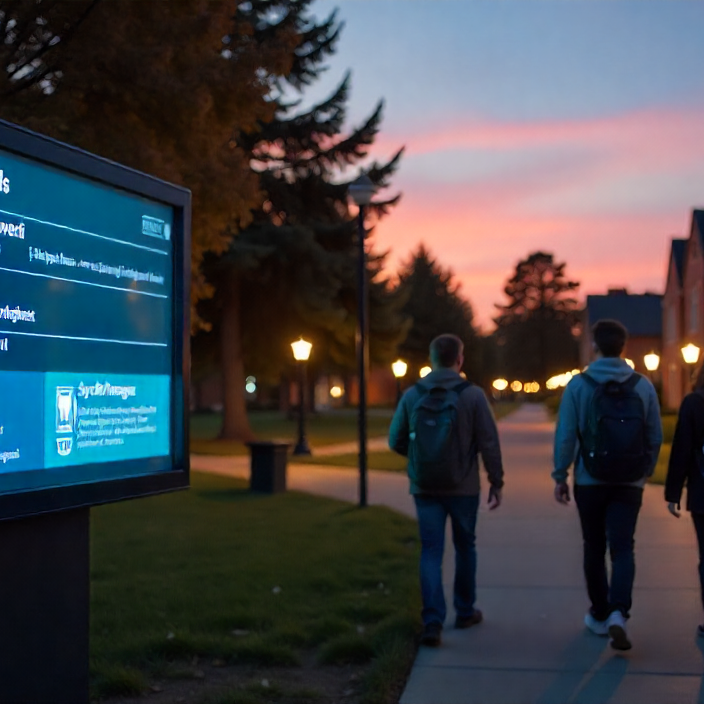
A comprehensive digital signage solution represents a complete ecosystem for managing and displaying multimedia content across digital networks. This includes not only the hardware – screens, media players, and mounting systems – but also the software and often the strategic support needed for successful deployment. Unlike traditional static signage, digital solutions offer real-time flexibility, enabling businesses to respond instantly to changing circumstances, whether it's updating pricing, highlighting new products, or sharing urgent announcements. From corporate lobbies to retail stores and educational institutions, these solutions create interactive, engaging environments that drive results.
The Critical Role of Digital Signage Software
While hardware captures attention, digital signage software serves as the operational brain, providing the tools to create, schedule, manage, and analyze content across entire networks of displays. Modern cloud-based platforms have revolutionized accessibility, allowing users to control screens from anywhere with an internet connection. This software typically features intuitive drag-and-drop interfaces, pre-built templates, and integration capabilities with external data sources like social media feeds, weather updates, and live news streams. The right software platform determines not just what you can display, but how efficiently you can manage it, making software selection one of the most critical decisions in your digital signage journey.
Key Benefits of Implementing a Digital Signage System
Businesses adopting professional digital signage systems experience measurable returns across multiple dimensions:
Enhanced Engagement and Information Retention
Dynamic content with motion, video, and real-time updates captures significantly more attention than static alternatives. Research indicates that digital displays can increase message retention by up to 83% compared to traditional signage, making them ideal for both customer communications and internal corporate messaging.
Operational Efficiency and Cost Reduction
Eliminate the recurring expenses of printing, shipping, and installing physical materials. With digital solutions, content updates happen instantly across all locations, ensuring consistency while dramatically reducing labor hours and material waste. The environmental benefits are substantial, with businesses reporting up to 90% reductions in printing costs after transitioning to digital.
Brand Consistency and Professional Presentation
Maintain precise brand control across all locations with centralized content management. Professional digital displays project innovation and competence, enhancing customer perceptions while ensuring every screen displays approved, on-brand content. For multi-location businesses, this consistency strengthens brand identity and customer trust.
Essential Features of Modern Digital Signage Software
When evaluating digital signage software, prioritize these critical capabilities:
Intuitive Content Management
Look for platforms with drag-and-drop editors, pre-designed templates, and user-friendly interfaces that require minimal training. The best solutions empower non-technical staff to create professional content while maintaining brand standards.
Scalability and Reliability
Your software should grow with your business, supporting anything from a single screen to thousands of displays across multiple locations. Enterprise-grade reliability with guaranteed uptime is non-negotiable for mission-critical communications.
Advanced Scheduling and Automation
Powerful scheduling features allow for automated content rotation based on time of day, day of week, or specific dates. This "set it and forget it" capability ensures your messaging remains relevant without constant manual intervention.
Robust Integration Capabilities
Modern software should seamlessly connect with existing business systems – POS platforms, inventory management, CRM databases, and social media channels. These integrations enable dynamic content that responds to real-time business conditions.
Industry-Specific Applications and Success Stories
Different sectors leverage digital signage in unique ways:
Retail Environments
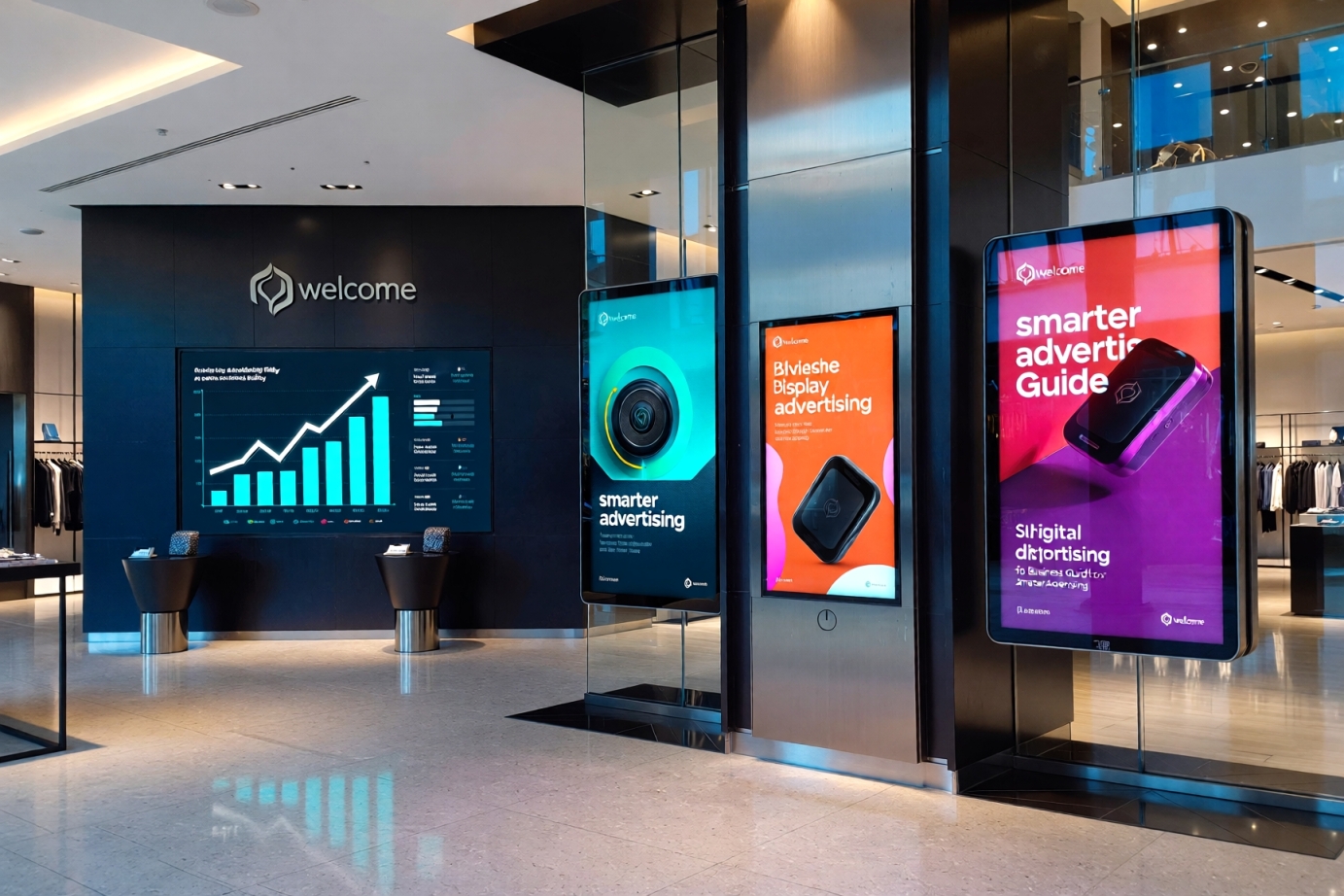
Stores utilize digital signage for wayfinding, promotional displays, and interactive catalogs. Major retailers report 15-30% increases in impulse purchases when implementing strategic digital signage near point-of-sale locations.
Corporate Communications
Businesses use digital displays for internal announcements, performance dashboards, emergency alerts, and wayfinding. Studies show companies improve information retention among employees by 75% when using digital displays compared to email-only communications.
Hospitality and Dining
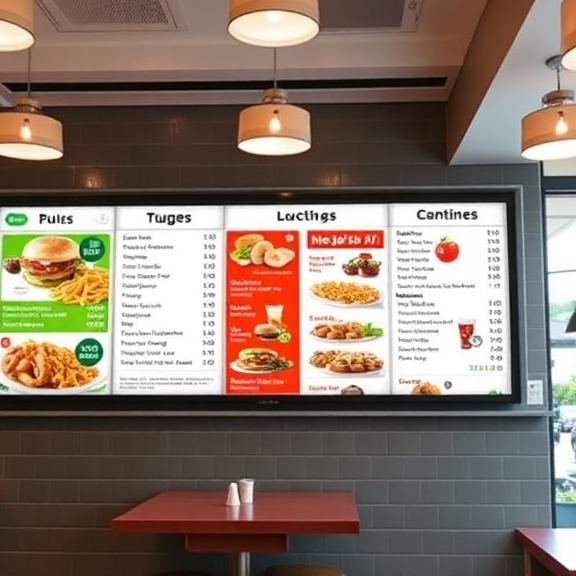
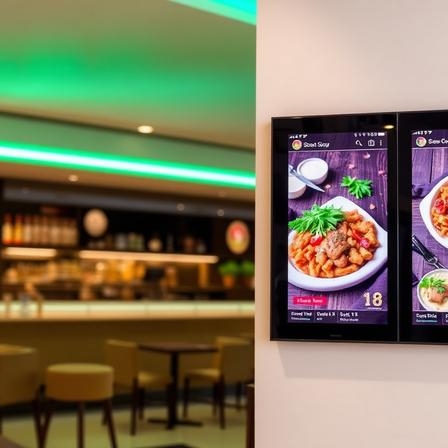
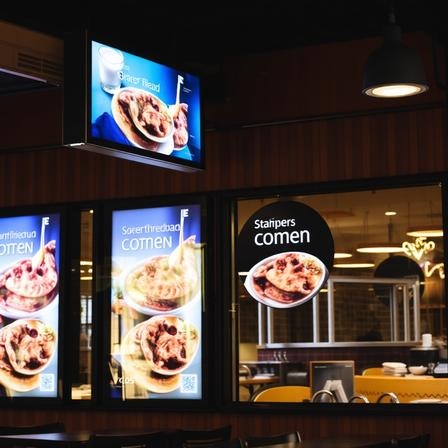
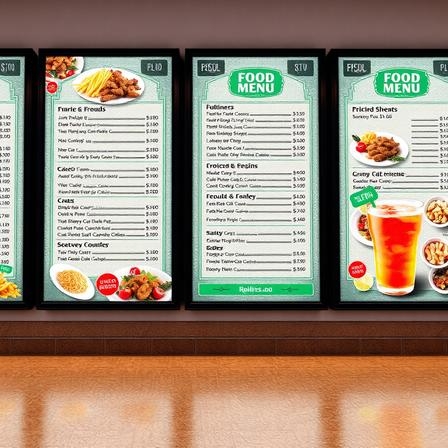
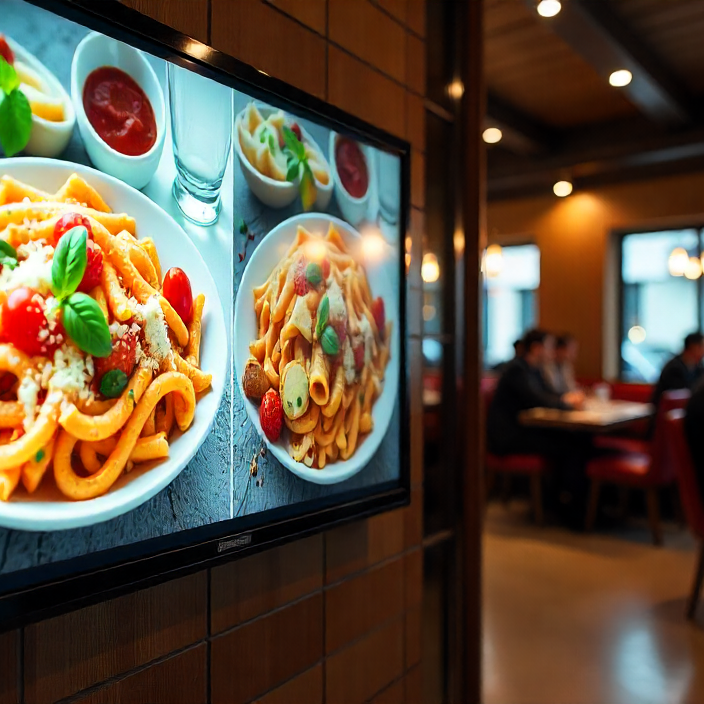
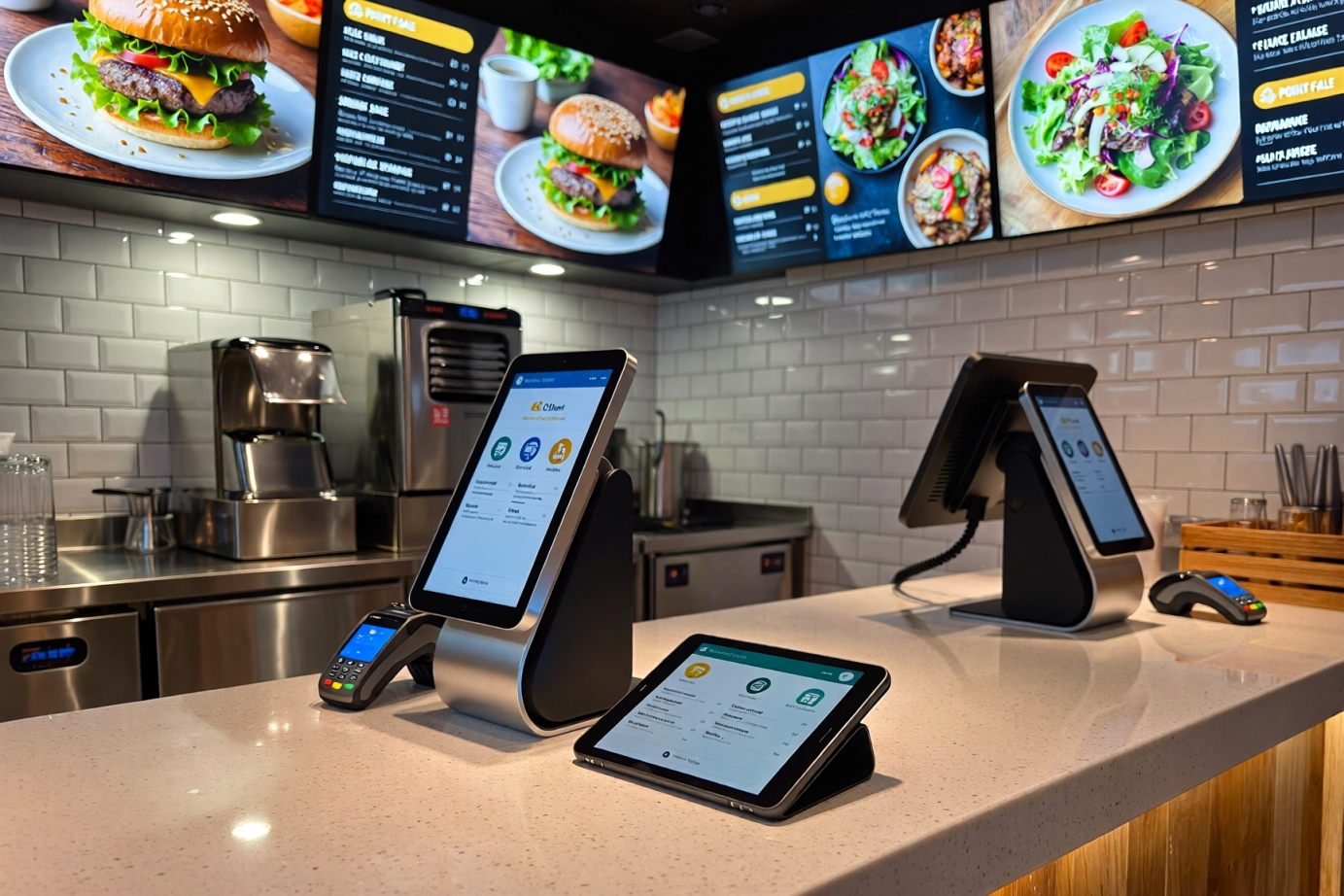
Restaurants and hotels deploy digital menus, event schedules, and promotional displays that can be updated instantly. Establishments typically see 8-12% increases in average order values when implementing dynamic digital menu boards.
Choosing the Right Solution: A Strategic Approach
Selecting appropriate digital signage solutions requires careful consideration:
-
Define Clear Objectives: Start by identifying specific business goals – whether increasing sales, improving internal communication, or enhancing customer experience.
-
Assess Technical Requirements: Consider current infrastructure, IT capabilities, and future growth plans. Determine whether cloud-based or on-premise solutions best fit your operational model.
-
Evaluate Total Cost of Ownership: Look beyond initial hardware costs to consider software licensing, content creation, maintenance, and support expenses over a 3-5 year period.
-
Prioritize User Experience: Test potential solutions for ease of use – the best technology fails if your team can't operate it effectively.
-
Verify Support and Training: Ensure your provider offers comprehensive onboarding, responsive technical support, and ongoing training resources.
Implementation Best Practices
Successful deployment follows a structured approach:
Content Strategy Development
Before installing hardware, create a comprehensive content plan addressing audience needs, brand guidelines, and desired outcomes. Quality content drives engagement more than technology alone.
Strategic Placement
Position screens in high-traffic areas with optimal viewing angles and lighting conditions. Consider customer journey paths and natural stopping points when determining placement.
Performance Measurement
Establish metrics for success before launch, whether tracking sales increases, reduced perceived wait times, or improved information recall. Most digital signage platforms include basic analytics to measure content performance.
The Future of Digital Signage Solutions
Emerging technologies continue to expand possibilities. Artificial intelligence now enables predictive content suggestions and automated personalization based on audience demographics. Interactive touchscreens and gesture controls create more engaging user experiences, while integration with IoT devices allows signage to respond to environmental conditions like foot traffic or weather changes.
Conclusion: Transforming Communication in the Digital Age
Digital signage solutions represent more than technological advancement – they signify a fundamental shift in how businesses communicate. By combining dynamic hardware with intelligent digital signage software, organizations gain unprecedented control over their messaging while creating memorable experiences for their audiences. The initial investment delivers compounding returns through increased engagement, operational efficiencies, and strengthened brand presence.
Ready to transform your communication strategy? Explore how comprehensive digital signage solutions can elevate your business communications, engage your audience, and drive measurable results. Contact our experts today for a personalized consultation and discover the right software platform for your specific needs.