Slice & Sip: How Digital Menu Boards Transform Pizza Shops and Coffee Houses
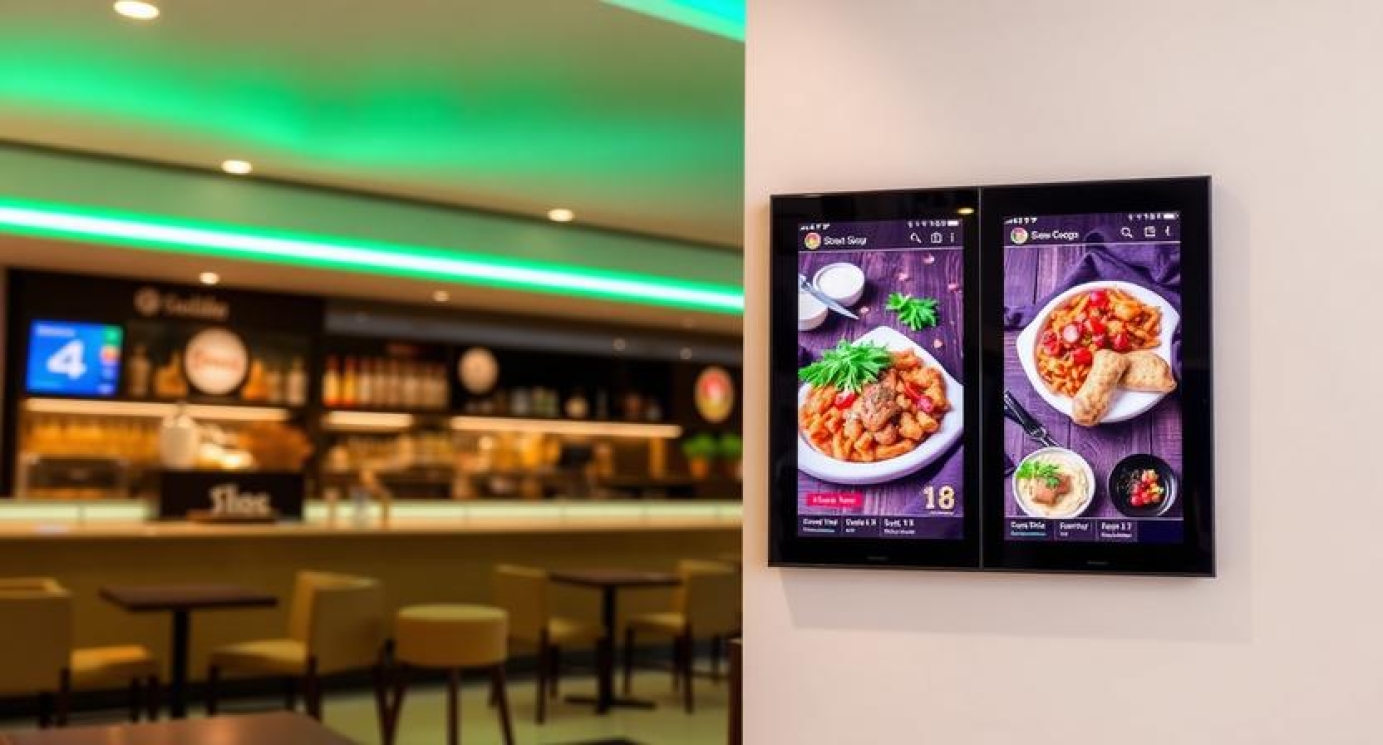
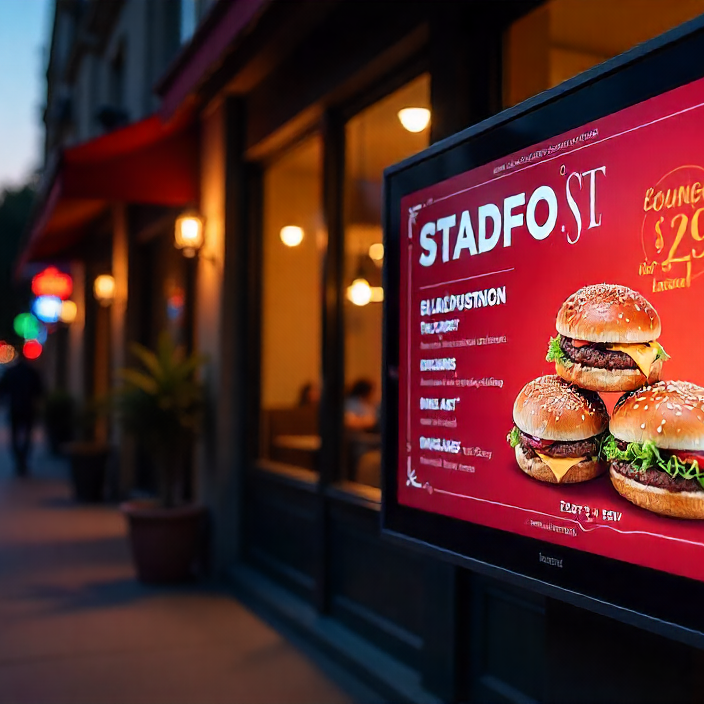
Two of the busiest food businesses in the world are pizzerias and coffee shops. Both thrive on speed, customization, and repeat customers. Yet both struggle with the same problem: static menu boards that confuse customers, slow down lines, and fail to showcase what makes each business special. Enter the digital menu board. For pizza shops and coffee houses, switching to a digital display is not just an upgrade. It is a game changer that boosts sales, speeds up service, and keeps customers coming back.
Why Pizza Shops Need a Digital Menu Board
A pizza menu is naturally complicated. You have sizes, crust types, sauces, cheeses, and dozens of toppings. Printed boards force customers to scan tiny text while a line grows behind them. This leads to frustration, mistakes, and lost revenue.
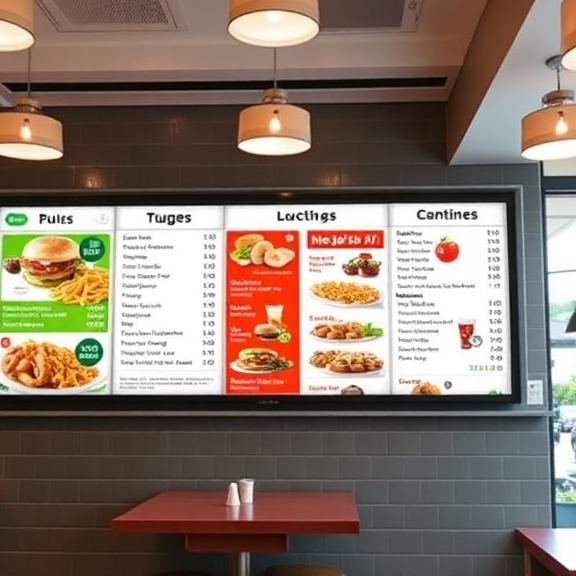
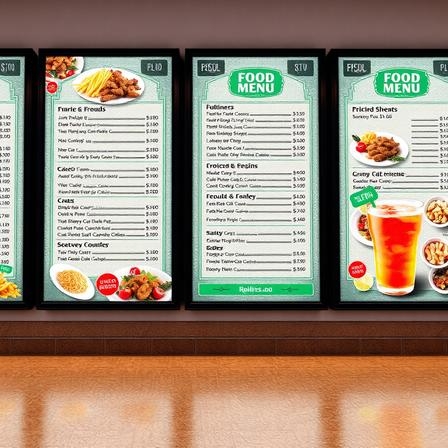
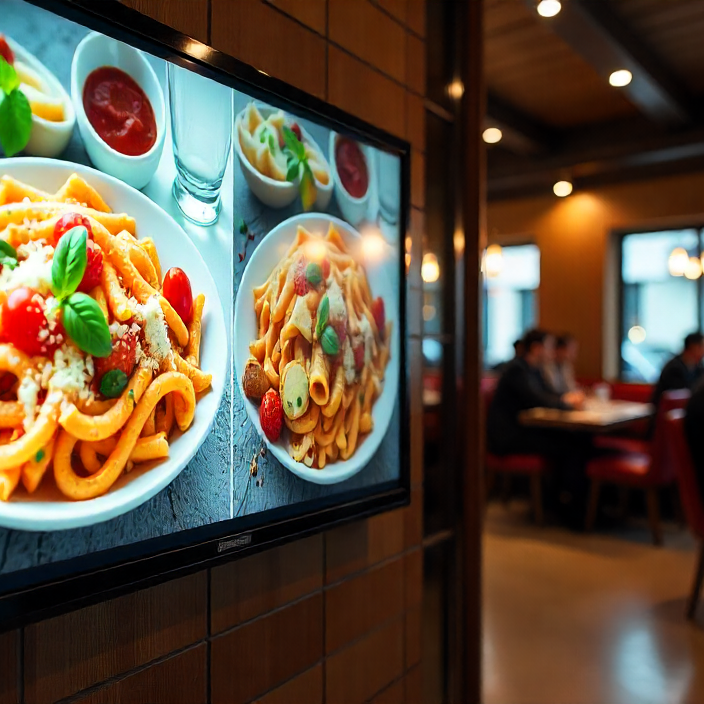
A pizza digital menu board solves this by organizing information visually. You can dedicate one section to classic pizzas, another to specialty pies, and a third to build your own options. Bright images of a pepperoni pizza with bubbling cheese or a white pizza with fresh basil trigger cravings instantly. Customers see exactly what they want before they say a word.
Speed is everything in pizza. During lunch rush, every second counts. A digital board allows you to highlight lunch specials, slice deals, or combo meals in large, easy to read fonts. Customers order faster. Lines move faster. You serve more people in the same amount of time.
Another major benefit is real time inventory management. Running low on mushrooms? Remove them from the topping list instantly. Out of gluten free dough for the day? Update the board with a single tap. Customers never order what you cannot deliver, eliminating disappointment and waste.
For pizzerias offering delivery or pickup, digital boards can display order status or estimated wait times. This transparency builds trust and reduces counter congestion.
Why Coffee Shops Thrive with Digital Menu Boards
Coffee shops face a different but equally challenging problem. The menu is seasonal, customizable, and often overwhelming. A customer can order a hot or iced drink, choose milk type, add syrups, adjust sweetness, and request extra shots. A static board listing every permutation becomes unreadable.
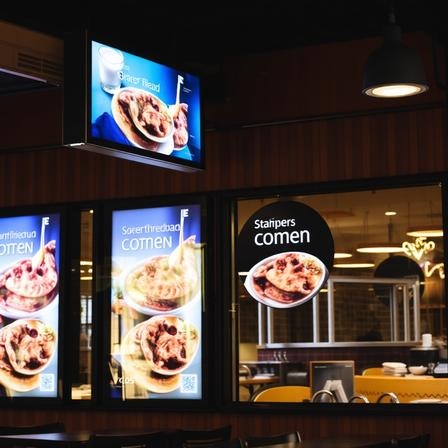
A coffee shop menu board that is digital changes everything. You can rotate featured drinks based on time of day. Mornings highlight breakfast blends and large cold brews. Afternoons showcase iced lattes and refreshers. Evenings promote decaf options and tea. This time based merchandising gently guides customers toward what makes sense right now.
Seasonal drinks are a coffee shop's bread and butter. Pumpkin spice in fall. Peppermint mocha in winter. Honey lavender in spring. With a digital board, you launch these seasonal items instantly without reprinting anything. When the season ends, the drinks disappear from the screen. Customers feel genuine urgency because they know the offer is temporary.
Customization becomes simple with digital displays. You can show a drink building process on screen: choose size, choose milk, choose flavor. Visual icons for oat milk, almond milk, or skim milk help customers understand options without reading dense paragraphs. This reduces order errors and speeds up the transaction.
Upselling happens naturally. A small corner of the screen can suggest adding a shot of vanilla or upgrading to a larger size for just one dollar. A footer can pair a pastry with every coffee purchase. These silent suggestions increase average ticket size without annoying customers.
Shared Benefits for Both Industries
Pizza shops and coffee houses share several advantages when switching to digital menu boards.
First, both benefit from reduced printing costs. Pizza menus change with new specialty pizzas or price adjustments. Coffee shop menus change with every season. Static boards require constant reprinting, which adds up quickly. Digital boards pay for themselves within months.
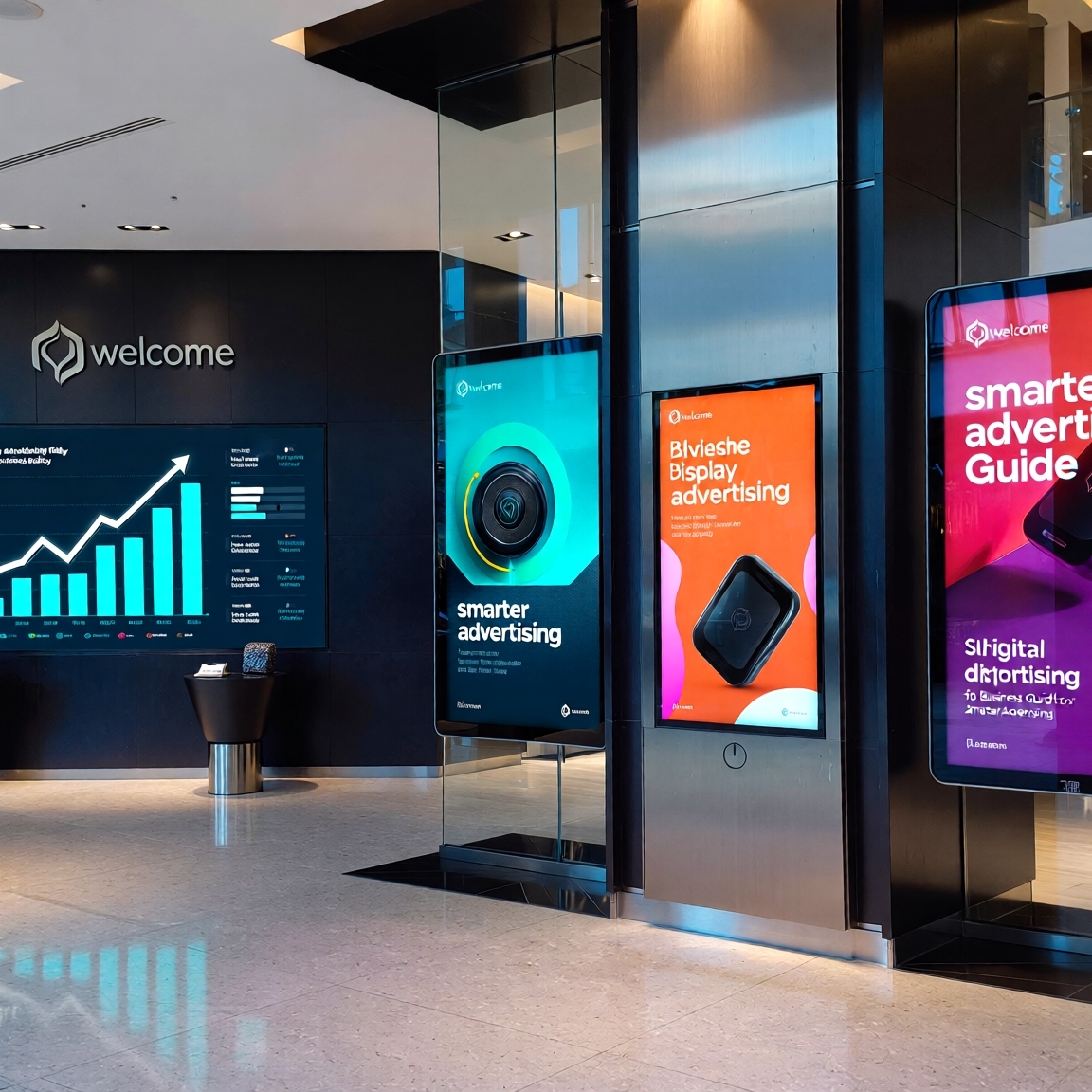
Second, both enjoy better brand perception. A glowing, high definition screen signals a modern, professional business. Customers associate digital displays with freshness, cleanliness, and attention to quality. That perception starts before they order.
Third, both can test new items risk free. Want to try a spicy pepperoni pizza for two weeks? Add it to the digital board. Considering a new lavender latte for spring? Feature it prominently. If the item fails, remove it instantly. No wasted printing, no sunk costs.
Making the Switch
Start small. One screen at your point of sale or above the counter is enough to see results. Use cloud based software so you can update menus from your phone. Track average ticket sizes and customer wait times for thirty days. The data will likely show higher sales, faster service, and happier customers.
In the competitive worlds of pizza and coffee, every advantage matters. A digital menu board gives you that advantage. Your slices will sell faster. Your lattes will pour smoother. And your customers will thank you with their loyalty and their wallets.