Revolutionizing Dining: The Ultimate Guide to Restaurant TV Menu and Digital Menu Boards for Restaurants
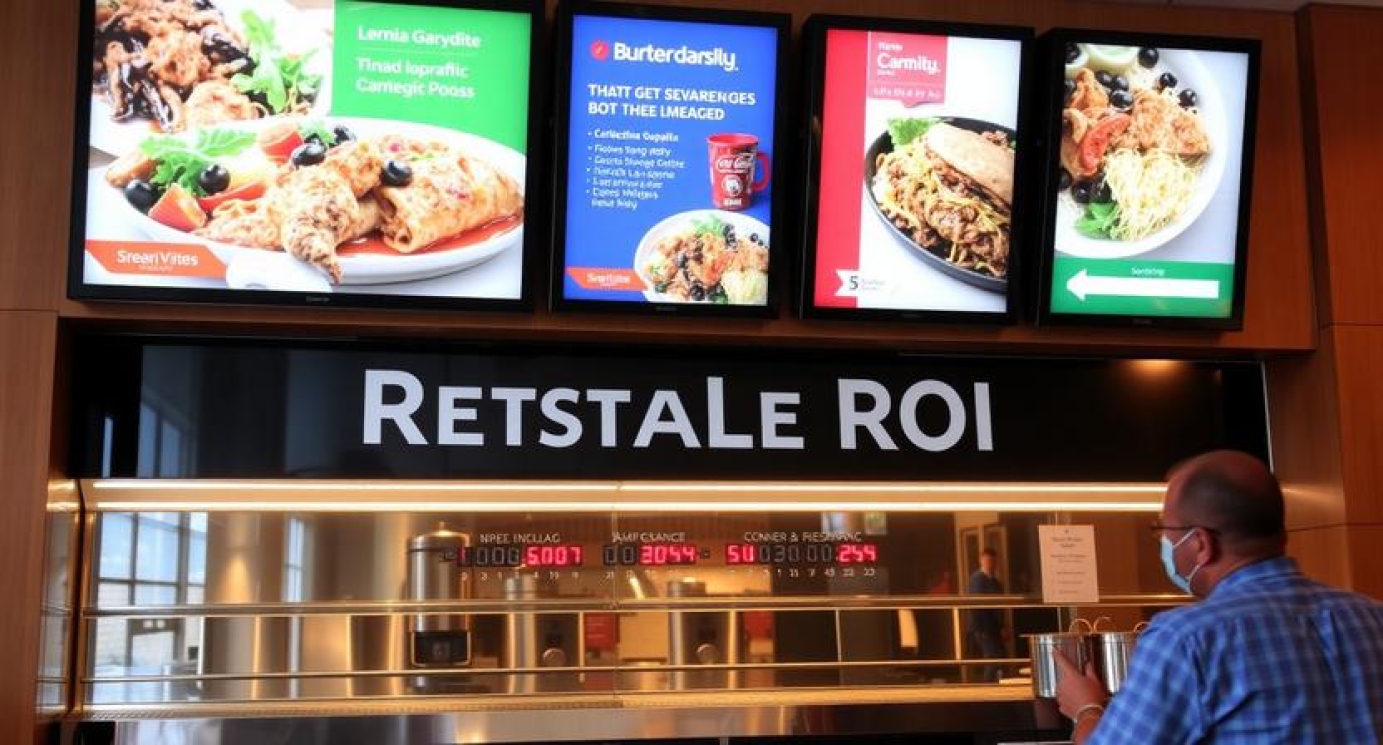
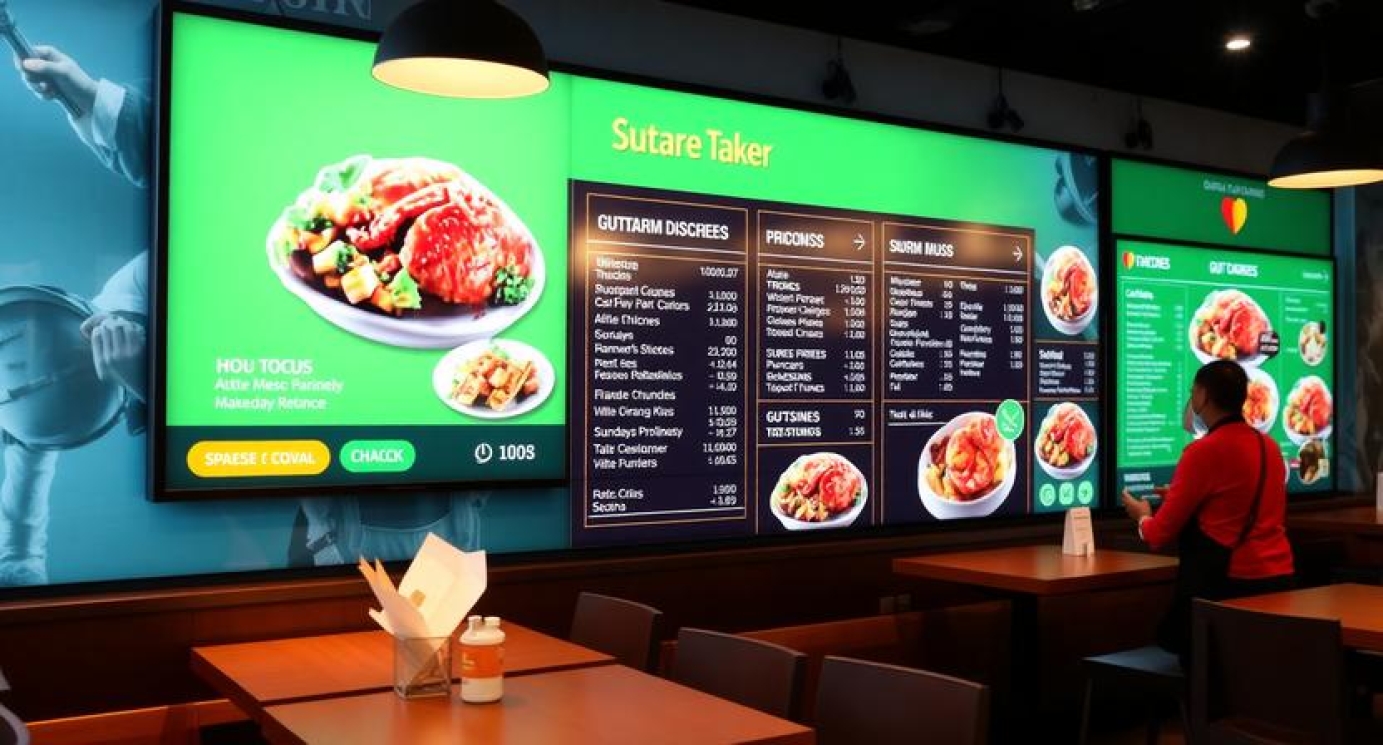
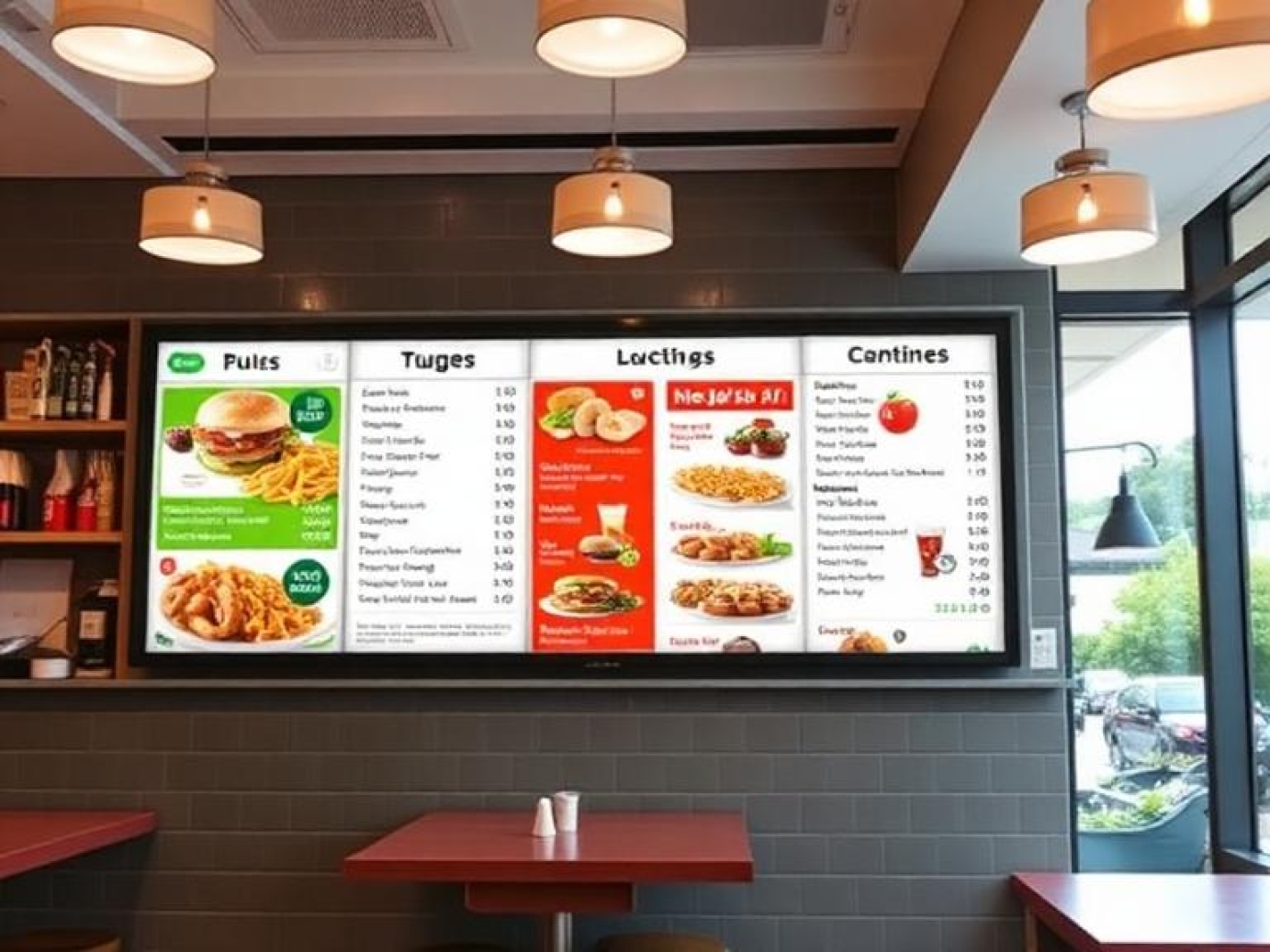
In the contemporary digitalized world, where everything is fast, having a traditional fixed menu board is becoming a thing of the past. The world is turning to the power of technology to improve customer experience and operations in restaurants. The restaurant TV menu and restaurant digital menu board are leading this change, with dynamic, eye-catching displays that attract customers and increase sales.
What are Digital Menu Boards in Restaurants?
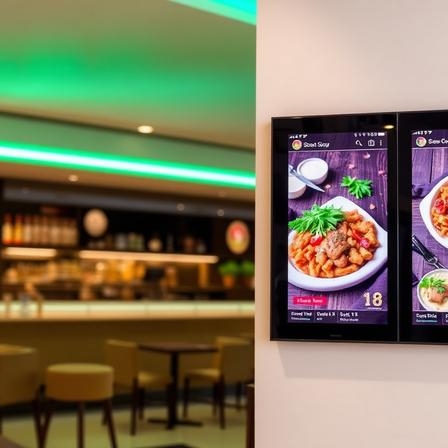
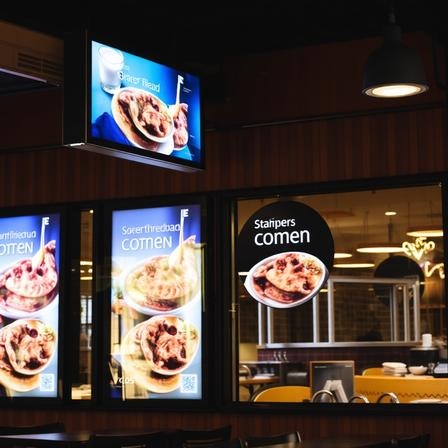
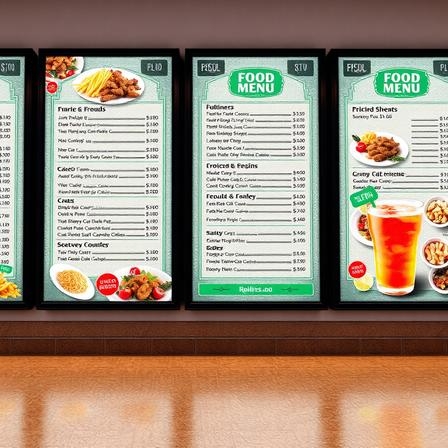
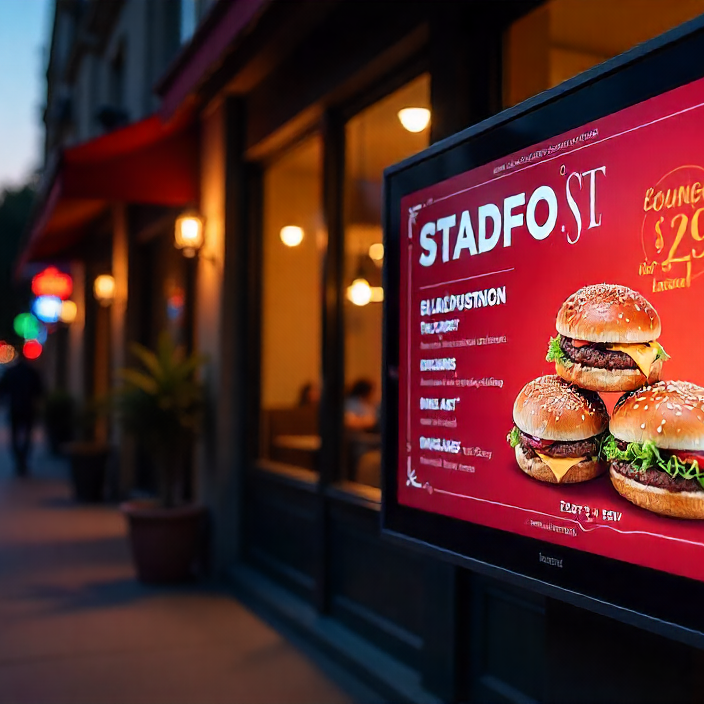
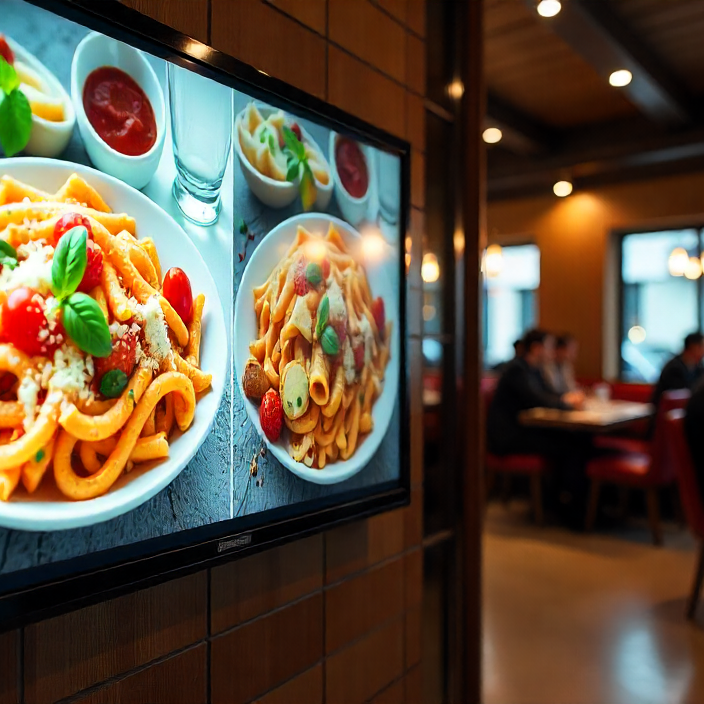
Digital menu boards are computer-based screens that present menu items, prices, and promotional materials on high-definition screens. These restaurant TV menu systems, unlike traditional ones that are static and dull, can be updated in real time and can have vibrant images and interesting animations. They are normally attached to walls, hung from ceilings, or fitted on counters, giving a contemporary and interactive approach to displaying food and beverage selections.
Reasons to Change to a Restaurant TV Menu System
1. Enhanced Visual Appeal
A restaurant TV menu will immediately draw attention. Combining high-resolution visuals of delicious food and dynamic effects, the sense of taste is achieved in a way printed menus cannot possibly compete with. Digital menus are an effective way of attracting customers because visual material is processed much quicker than text.
2. Real-Time Updates and Flexibility
Among the most significant benefits of digital menu boards in restaurants is the possibility of changing content in real time. You can make changes within seconds through a centralized system, whether it is a price change, addition of daily specials, or removal of out-of-stock products. This saves the expense and inconvenience of having to reprint menus, and customers are always presented with correct information.
3. Strategic Upselling Will Improve Sales
Online menu boards enable you to point out high-margin products, combo offers, and time-sensitive offers. With the help of these promotions, placed strategically on your restaurant TV menu, you will be able to impact customer decisions and raise average order value. Research indicates that when properly used, digital menus can increase sales by up to 30%.
4. Improved Operational Efficiency
Restaurants can now have digital menu boards so that employees do not have to use paper menus or respond to the same questions every day about what is special. Automated updates minimize errors and help employees concentrate on customer service. Also, digital boards can be connected with point-of-sale (POS) systems to automatically keep inventory and pricing in sync.
The Main Characteristics of Good Digital Menu Boards
High-Resolution Displays
Invest in 4K or Full HD screens in order to make your food appear too good to resist. Bright, sharp pictures leave a strong impression and create a sense of what to expect in the dining experience.
User-Friendly Software
Select a platform where it is easy to create, schedule, and manage content remotely. Cloud-based solutions allow you to operate multiple locations with one dashboard and are perfect for franchise owners.
Customizable Templates
Find TV menu software in restaurants that has a variety of templates. You can customize fonts, colors, layouts, and animations to suit your brand identity.
Integration Capabilities
Integration with your POS system, inventory control, and even social media feeds can improve functionality. Examples of what you can show include real-time customer reviews or countdown clocks with limited offers.
Best Practices in Designing Digital Menu Boards
Keep It Simple
Avoid clutter. Keep clean layouts, simple categories, and readable fonts. Emphasize important things using bigger pictures or contrasting colors.
Use High-Quality Imagery
Use professional food photography. A successful restaurant TV menu is based on appealing visuals. Think of brief video clips of food cooking or boiling meals to make it more impressive.
Implement Dynamic Pricing
Test various price points and promotional strategies with your digital menu boards for restaurants. Off-peak pricing can be used to attract traffic and earn maximum revenue.
Prioritize Readability
Ensure text is legible from a distance. Use contrasting colors and adequate font sizes. Take into account the angle of vision and the lighting in your restaurant.
Cost Consideration and ROI
The first investment in digital menu boards in restaurants involves hardware, such as screens, mounts, and media players, as well as software subscriptions. Nevertheless, the savings on printing expenses, greater sales, and operational efficiency in the long term give a good payback. Most restaurants break even in 6–12 months.
Selecting an Appropriate Provider
When choosing a provider for your restaurant TV menu system, take into consideration such factors as:
- Customer support and reliability.
- Scalability for future growth.
- Friendliness for non-technical personnel.
- Comprehensive training and resources.
Digital Menu Board Trends in the Future
The future of digital menu boards for restaurants is exciting. Expect innovations like:
- Personalized AI-powered recommendations based on customer preferences.
- Interactive touchscreens for self-ordering.
- Connection to mobile applications that allow ordering and payment.
- Information analytics to monitor customer activities and streamline menus.
Conclusion
The move toward restaurant TV menus and digital menu boards for restaurants is no longer a luxury, but a must to remain competitive in the dining industry today. The advantages are clear in improving visual attractiveness, increasing sales, and making operations more efficient.
With the continued development of technology, digital menu boards will become even smarter and more interactive. The decision to invest in a quality system today puts your restaurant on a path of long-term success. Do not be left behind in the digital revolution, and see your customer satisfaction and revenue skyrocket