Image
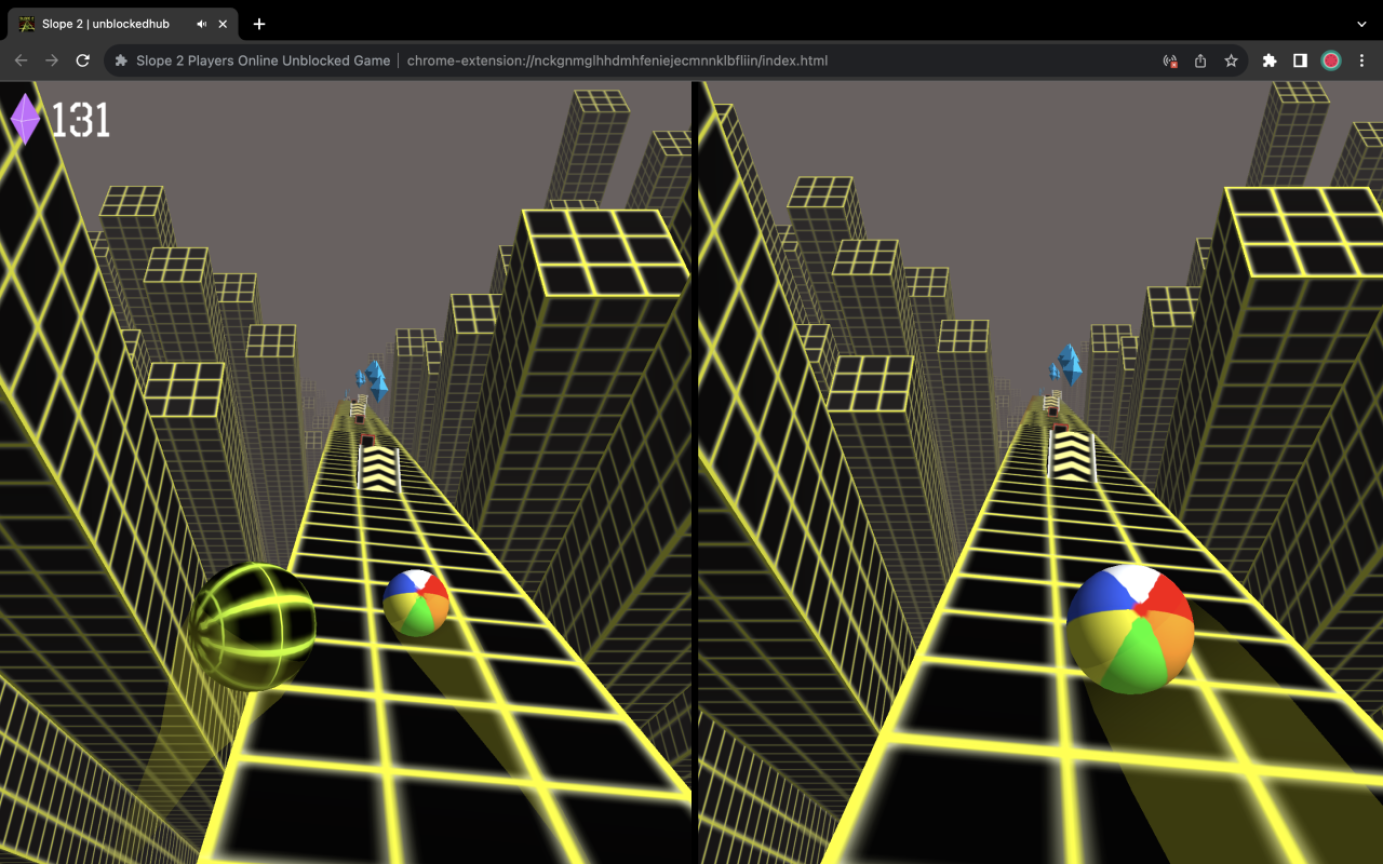
If you’ve ever fallen into the “just one more try” loop with a simple but exhilarating browser game, you’ll understand the appeal of Slope. It’s fast, minimalist, and merciless in the best way. On the surface, it’s just you and a ball racing down a glowing track. In practice, it’s a test of focus, timing, and reflexes that somehow manages to feel fresh every run. In this post, I’ll share my experience playing the Slope Game, how the gameplay works, a few practical tips that helped me improve, and why it’s such a compelling little challenge you can pick up anytime.
Introduction: Simple Concept, Big Adrenaline
What drew me to Slope first was its clean, neon-soaked look. No clutter, no story to digest, no menus to dig through. It loads quickly, and the objective is clear: survive as long as you can while the track throws sharper turns, steeper drops, and trickier gaps your way. It’s the kind of game you can play in short bursts, but it has this uncanny way of stealing 20 minutes without you noticing.
Despite how easy it is to start, Slope has layers. The longer you last, the faster it gets, and the more the game demands subtle control over panicked reactions. That’s where the fun lives—in the tension between speed and precision.
Gameplay: The Flow of Momentum
At its core, Slope Game is an endless 3D runner. You guide a ball down a procedurally shifting track that’s dotted with ramps, bouncing angles, barriers, and yawning gaps. The camera sits close enough to make you feel like you’re riding along, which adds to the thrill when the floor suddenly falls away in a steep descent.
What I like most is how fair it feels. Every obstacle is visible, every mistake readable. When you miss a platform or clip a pillar, it’s rarely the game’s fault—it’s because you overcorrected or didn’t plan your line early enough. That makes improvement both possible and addictive.
The track layouts feel varied enough that you can’t “memorize” your way to success. Instead, you develop pattern recognition and composure: spotting a series of angled tiles and predicting how your momentum will carry you, or noticing a bump that will throw you into a wall if you’re not centered.